
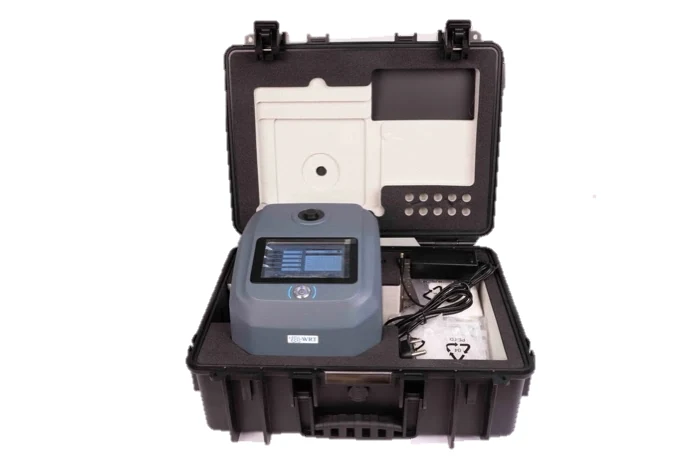
The Tester Reads the Grease You Give It
Make bearing grease samples worth testing: choose the collection point, preserve a repeatable record and distinguish fresh-grease dilution from a change in wear.
Read articleLubeServ Insights
Clear thinking on clean oil, trustworthy samples and the small maintenance choices that stop expensive problems from becoming routine.
Make bearing grease samples worth testing: choose the collection point, preserve a repeatable record and distinguish fresh-grease dilution from a change in wear.
Read article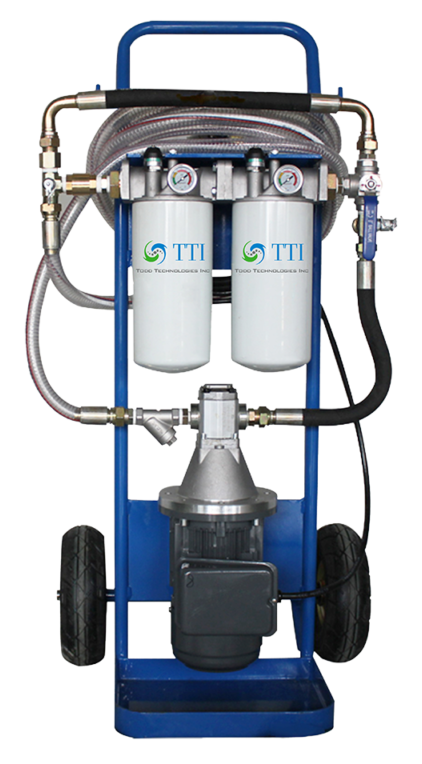
How to connect and run a portable filter cart on an in-service reservoir, and how comparable samples tell you when the cleanup is finished.
Read article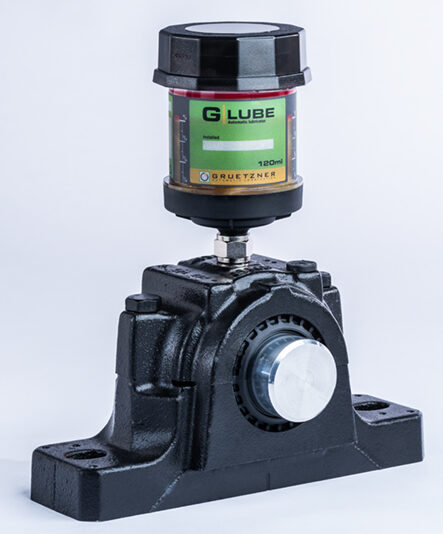
Before relying on an automatic lubricator, settle the grease, the setting and the path, then plan the first delivery check. A G-LUBE commissioning guide.
Read article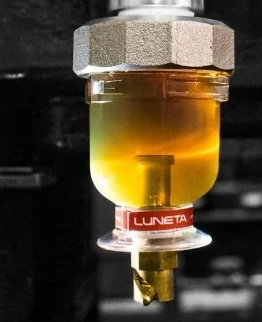
Read the bowl in the same machine state each time and record what it shows before you drain it. A clear bowl does not prove the oil is clean or dry.
Read article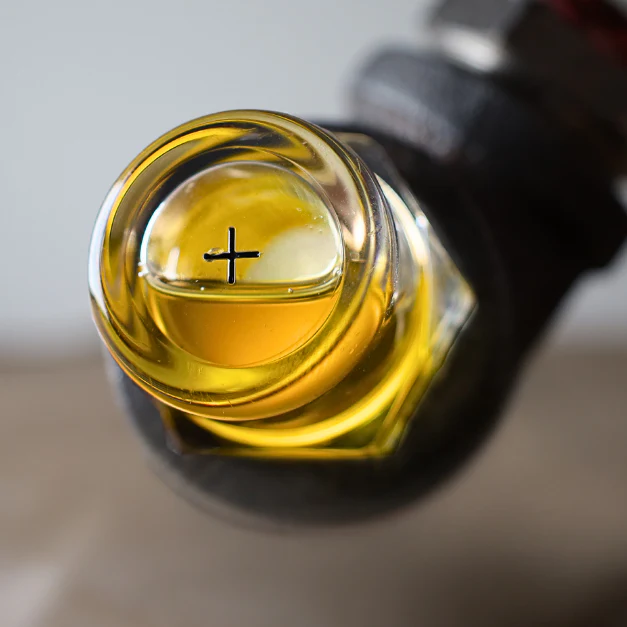
Read the level in the right machine state, make a controlled addition and keep a useful top-up record.
Read article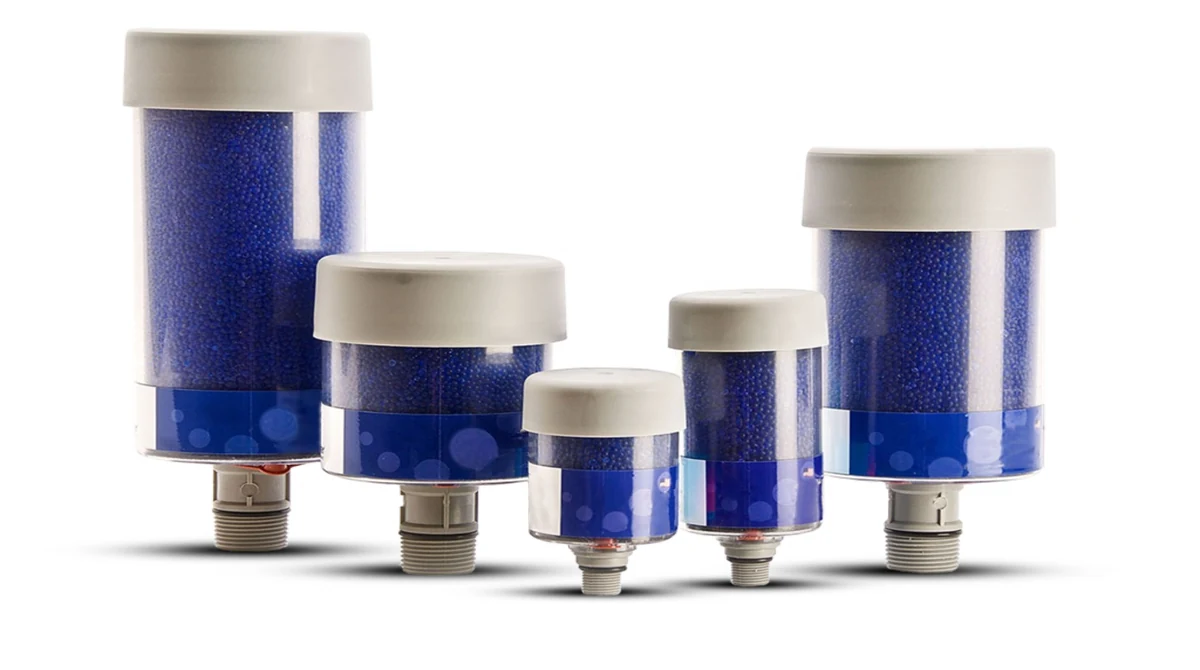
When a breather changes colour sooner than expected, separate the replacement decision from the search for a cause.
Read article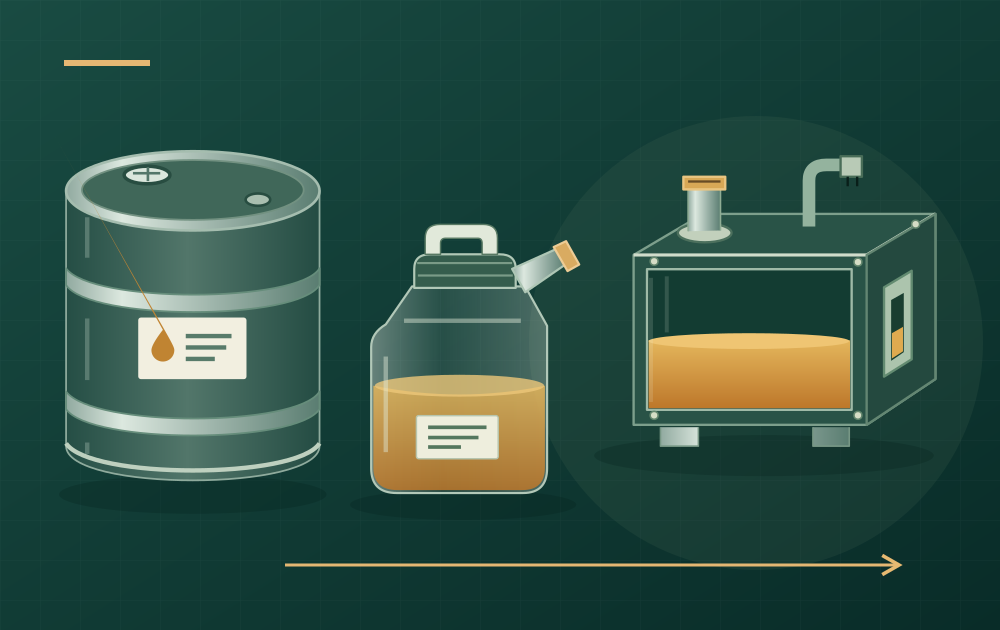
Trace the oil from its container to the machine, measure the application and test the correction against the failure evidence.
Read article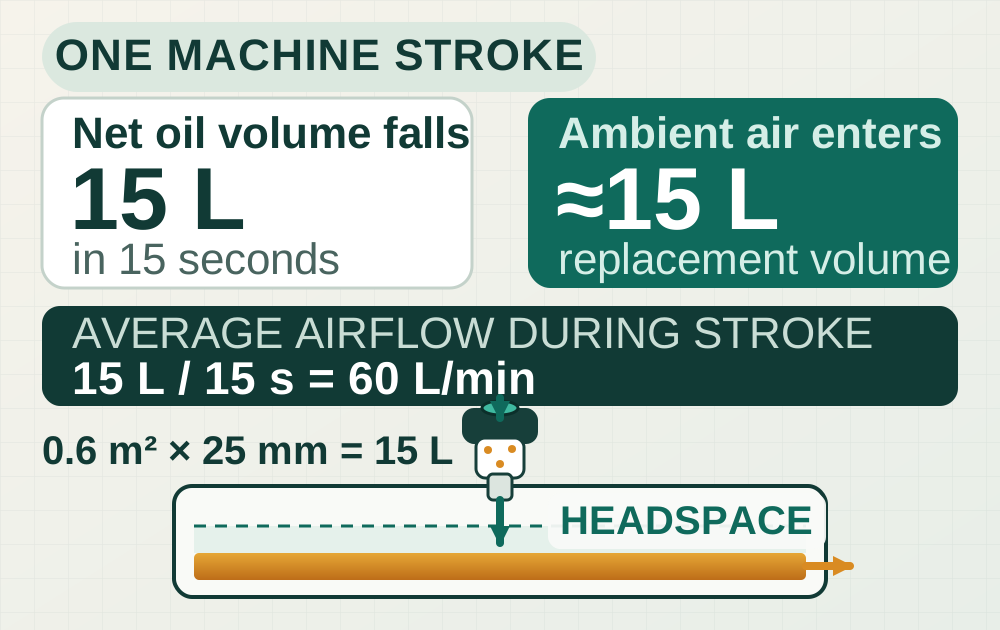
Measure the fastest net fall in reservoir liquid volume, trace every headspace opening, then test whether a controlled air path changes the oil trend.
Read article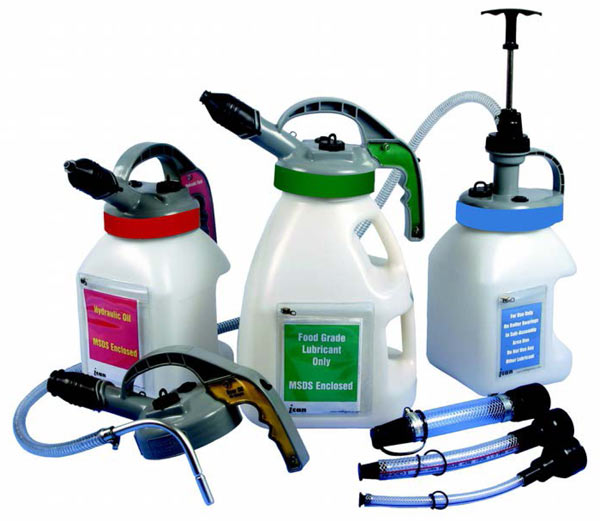
Verify incoming oil identity and release evidence before first fill, then accept, condition and retest, quarantine or reject the delivery.
Read article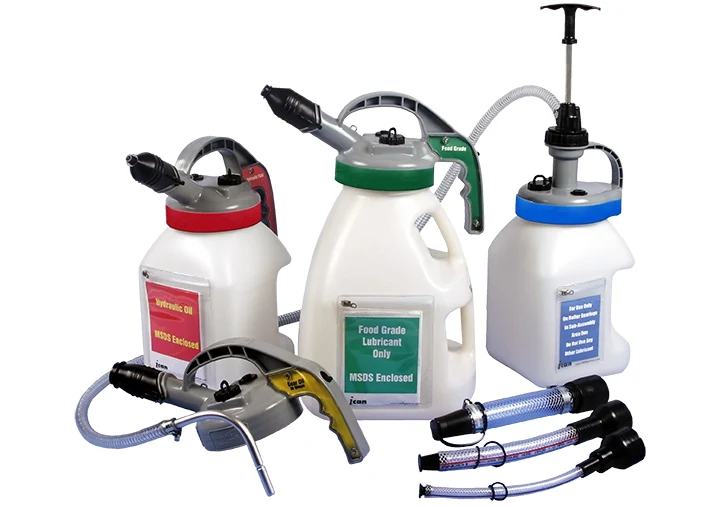
Oil can be contaminated during receiving, storage, transfer and filling. Sampling can also contaminate the bottle or make the result unrepresentative. Follow one lubricant route, then inspect the sampling method separately.
Read article